
Lyubomira Popova
„St. Cyril and St. Methodius“ University of Veliko Tarnovo (Bulgaria)
https://doi.org/10.53656/ped2026-2s.09
Abstract. This article examines the application of pedagogical approaches and solutions for teaching in contexts marked by educational inequality. The empirical study aims to diagnose teachers’ pedagogical competencies for working with students in a disadvantaged position, based on teacher self-assessment. Analysis of the results substantiates the need to strengthen competencies related to the use of relevant approaches that mitigate the effects of educational disparities and support the full personal and cognitive development of students in a disadvantaged position.
Keywords: students in a disadvantaged position, teachers, pedagogical competencies
The dynamic global processes of contemporary postmodern society substantially broaden and complicate social interactions. These processes are mirrored in education, which faces new challenges stemming from changes in the sociocultural context in which the child’s personality is formed and develops. Teachers thus encounter „…a diversity of views, behavioral models, and creations unprecedented up to this point, crossing national, age, and often ethnic boundaries” (Varbanova, 2018, p. 16).
In educational contexts, today’s social environment gives rise to pronounced diversity and unequal starting points among adolescents, which in turn often deepens – and even polarizes successes and failures in learning. In response, numerous national and European strategic and regulatory documents articulate policies and frameworks on equity in education. For example, the Council of the EU Recommendation Pathways to School Success (2022) underscores the need to promote engagement and well-being, with a primary focus on students at real risk of early school leaving and low attainment.
The presented trends form the basis of our interest into teachers’ pedagogical competencies amid educational inequality – specifically, their skills for teaching students in a disadvantaged position. We proceed from the premise that working with such learners poses a challenge for pedagogical professionals because it requires additional knowledge, skills, and competencies to stimulate cognitive activity and motivation to learn.
To address questions about optimal pedagogical approaches and solutions for interacting with learners, the study’s objective is to diagnose teachers’ competencies for working with students in a disadvantaged position, using teacher self-assessment. The principal focus is on teachers’ skills in deploying relevant approaches to minimize disparities and to foster the full personal and cognitive development of young people. We also examine teachers’ perceived needs for support to ensure effective instruction under conditions of educational inequality.
A precursor to this objective is conceptual clarification of “students in a disadvantaged position.” A review of Bulgaria’s current regulatory framework reveals sector-specific usage. The formulation “children in a disadvantaged position” appears officially in the Ministry of Health’s budget program, in Council of Ministers Decree No. 245 of 30.11.2023, Art. 2 “Medico-social care for children in a disadvantaged position; maternal and child health”. The National Strategy for the Child (State Agency for Child Protection) likewise sets out measures for “children with disabilities and in a disadvantaged position.” Recommendations to Bulgaria by the UN Committee on the Rights of the Child (2024) also refer to data and policies for “children in a disadvantaged position” (Roma children; children with disabilities; children in alternative care; asylum-seeking children; etc.).
At the same time, the educational regulatory framework more often uses “children and students from vulnerable groups,” a term codified in the Preschool and School Education Act and in the Regulation on the Financing of Institutions, Chapter Seven “a” – “Rules for allocating funds for work with children and students from vulnerable groups”.
UNICEF’s report (Un)equal Childhood: A Comprehensive Analysis of Child Poverty and Social Exclusion in Bulgaria (2021) uses the expression „children in need.” To delineate the factors and profiles defining this category of children and students in a disadvantaged position, a set of criteria is adduced. “Children in need” are those at risk of poverty or social exclusion, as well as children rendered vulnerable by specific factors: homelessness or severe housing deprivation; disability; mental health difficulties; membership in ethnic minorities; migrant status; placement in alternative particularly institutional care; and insecure family environments. The effects of poverty and family insecurity are consistently identified as drivers of multiple risks, including educational inequality.
Also relevant are children whose parents work abroad. According to UNICEF (2014), this is a substantial group that falls within “insecure family environment”, encompassing, by that analysis, one in four to five children in Bulgaria.
To delimit the concept of students in a disadvantaged position, we draw on theoretical perspectives clarifying its scope. In educational systems, it generally includes students with low socioeconomic status; migrant/linguistic minorities; ethnic minorities; students with disabilities; students from remote areas; and others. PISA 2022 data confirm persistent gaps in performance and engagement aligned with the social context of the system.
We include learners born and/or raised in environments that place them at a disadvantage relative to peers in coping with academic demands. Without claiming exhaustiveness, the category encompasses students from socially, ethnically, and culturally disadvantaged groups; and those at risk of dropping out and social exclusion for diverse reasons. Financial hardship constrains participation among children of lower social status and shapes inequalities in life chances.
What unites all of the above-mentioned examples, regardless of the specific characteristics of each individual case, is that these adolescents require increased pedagogical support, as they often have learning gaps, possess fewer resources, lack adequate support in the family environment and their immediate social surroundings. In addressing these deficits, a range of social and economic factors exert influence, and it is evident that within the learning process these students, to a much greater extent than their peers, require additional pedagogical support and motivation.
In line with UN Committee recommendations (2024), this study focuses on teachers’ competencies for working with students in a disadvantaged position, recognizing that these learners belong to various vulnerable groups defined by specific characteristics and life circumstances.
Adverse impacts on motivation and academic achievement include:
– Cognitive load is associated with scarcity, as financial strain negatively affects attention, memory, and concentration.
– Chronic stress during childhood, which diminishes academic performance and self-regulation.
– Depressed expectations and lowered demands by both teachers and parents – an especially detrimental factor.
In the scholarly literature, accumulated advantages are examined to elucidate the role of the so-called mechanism of cumulative advantage in education, with particular emphasis on how these advantages shape cognitive development and educational attainment. In fact, this represents a widely used explanatory framework in both life-course and educational contexts, grounded in social inequalities. This effect is also employed to explain the key role of life advantages as a determining resource for cognitive development, health, well-being, and career trajectories. The mechanism of cumulative advantage (proposed by Robert Merton) explains how differences over time generate advantages or constraints in educational development (DiPrete & Eirich, 2006, pp. 272 – 273).
Our focus, however, is on constraints. Absent targeted compensatory pedagogical action, initial deficits are likely to deepen, becoming serious educational and social problems. We therefore foreground an analogue: the mechanism of cumulative deficits. Early emerging difficulties and school failures often intensify over time, widening gaps between students. Typically, divergence begins with initial literacy, then reading proficiency, followed by reading comprehension and learning-to-learn skills. “The longer this developmental sequence continues, the more generalized deficits appear, ‘seeping’ into more domains of cognition and behavior” (Varbanova, 2018, p. 11).
In delineating the scope of the present study, alongside the concept of students in a disadvantaged position, particular attention is given to the notion of professional competencies. According to the State Educational Standard for the Status and Professional Development of Teachers, Principals, and Other Pedagogical Specialists, teachers’ competencies are defined as an integrated system of knowledge, skills, and attitudes required for the effective exercise of the teaching profession – Ordinance No. 15 of 22 July 2019, Section III, Art. 42. From this perspective, professional competencies are conceptualized as a key prerequisite for ensuring both quality and inclusiveness in education.
The term competence derives etymologically from the Latin competens, meaning „appropriate”, „capable” or „knowledgeable”. In pedagogical theory, competencies are commonly understood as integrated manifestations of knowledge, skills, and attitudes applied in real-life and professional contexts. Within the European Qualifications Framework, competence is defined as the proven ability to apply knowledge, skills, and personal and social attributes in work or learning situations, contributing to both professional and personal development.
Competence represents an integrative personal quality regulated through established standards for the performance of specific activities (Delibaltova, 2003). It enables not only the effective execution of professional tasks but also the meaningful transfer of acquired knowledge into practice. As noted by М. Mihova, competence should be regarded as an intrinsic personal resource that allows individuals to solve problems and achieve professional realization; it is expressed and validated through activity (Mihova, 2014).
In this regard, Chavdarova-Kostova emphasizes the unity of knowledge and skills within competence, oriented toward their practical application as a driving force of personal development (Chavdarova-Kostova, 2022, p. 9). Complementing this view, B. Zdravkova conceptualizes „…professional competence as an integrative characteristic encompassing individual qualities and abilities alongside specialized knowledge, skills, and attitudes necessary for the effective performance of professional roles“ (Zdravkova, 2014, p. 45).
Synthesizing these perspectives, competence in a pedagogical context may be understood as a complex system of knowledge, skills, attitudes, and experience that enables educators to act appropriately, autonomously, and responsibly in diverse educational situations. While skills primarily refer to the operational dimension of action (“how to act”), competence also encompasses motivational and value-based dimensions (“why and in what way to act”), positioning it as a higher-order construct in professional development. Consequently, competence entails ethical awareness, reflective capacity, and social responsibility.
The competence-based approach has become a defining paradigm in contemporary educational practice and teacher education. It constitutes a central component of the National Program Enhancing the Competencies of Lecturers in State Higher Education Institutions Training Teachers, adopted by Council of Ministers Decision No. 47 of 19 January 2021. Effective implementation of this approach requires systematic initial preparation and continuous professional development of teachers and other pedagogical specialists, ensuring their readiness to apply competencies in real educational settings (Chavdarova-Kostova, 2022, p. 72).
Teachers’ professional competencies are closely linked to their preparation in didactics, instructional methodologies, and the integration of information and communication technologies in teaching. These competencies reflect core expectations regarding the organization of the learning process, instructional delivery, learner support, and the achievement of educational outcomes.
Within contemporary educational discourse, increasing attention is devoted to the differentiation and classification of professional competencies. N. Kaloyanova defines teachers’ professional-pedagogical competence as a meta-ability comprising specialized knowledge, skills, and attitudes characteristic of the teaching profession, combined with personal qualities that ensure effective behavior across varied educational situations (Kaloyanova, 2021, p. 50).
Pedagogical competencies form an integrated system encompassing professional-pedagogical, methodological, social, ethical, and reflective dimensions. Research-based classifications further distinguish linguistic, communicative, pedagogical, psychological, social, intellectual, and professional competencies, each consisting of specific structural components (Levterova, 2009, pp. 17 – 21).
In the context of educational inequality, the development of integrated pedagogical competencies assumes a compensatory and transformative role, aimed at mitigating disparities arising from socio-economic, cultural, and educational disadvantages. Of particular importance is social competence as an integral element of teachers’ professional-pedagogical competence. High levels of social intelligence are essential, given the inherently social nature of the teaching profession and the complexity of interactions within the educational environment (Chavdarova-Kostova, 2024).
Adopting the general framework of pedagogical competencies, the present study focuses specifically on competencies required for working in conditions of educational inequality. These include pedagogical, psychological, and methodological knowledge; practical skills for supporting students in disadvantaged positions; and communicative competencies facilitating effective collaboration with parents, support professionals, and institutional stakeholders.
Methodology
We conducted a theoretical review and analysis of scholarly and regulatory sources within the study’s conceptual ambit, alongside an empirical survey of teachers to elicit self-assessments of their skills for working amid educational inequality. Data were collected via a structured questionnaire with pre-formulated items and response options, administered through the online tool Google Forms.
The anonymous survey included 43 teachers from primary and secondary schools. Respondents answered seven questions. Items 1, 2, 3, and 7 used a five-point Likert scale; Items 4, 5, and 6 allowed multiple selection.
The survey instrument was designed with the aim of collecting objective and reliable data regarding teachers’ competencies for working with students in a disadvantaged position. The questionnaire items address key aspects of pedagogical practice, including the identification of students at risk, analysis of their difficulties, coordination of support, and the application of motivational and pedagogical strategies.
The content of the items ensures that each question is linked to a specific indicator of the competencies under investigation and that the items are grouped into thematic scales.
The questionnaire items are organized into four thematic scales reflecting key professional competencies of teachers: diagnostic, cognitive-analytical, coordination and institutional, and motivational-pedagogical. The grouping was conducted through content analysis of the item formulations and is aligned with contemporary approaches to inclusive education. Each scale comprises relevant indicators and employs a unified Likert-type response scale, thereby providing conditions for reliable and valid analysis.
Scale 1: Diagnostic Competence (Identification of Students in a Disadvantaged Position)
Criterion: The teacher’s ability to identify students in a disadvantaged position based on observation, pedagogical experience, and knowledge of risk factors.
Indicators:
– identification of social, educational, and behavioral indicators;
– pedagogical sensitivity to early risk signals;
– recognition of the multifactorial nature of disadvantage.
Thematic Scale 1 Diagnostic Competence is examined through the following items:
– Item 1: “I am able to identify which students are in a disadvantaged position.”
– Item 4: “Which indicators do you most frequently rely on to identify that a student is in a disadvantaged position?”
Scale 2: Cognitive-Analytical Competence (Understanding Students’ Difficulties)
Criterion: The level of understanding and interpretation of the causes and manifestations of educational and social difficulties experienced by students in a disadvantaged position.
Indicators:
– knowledge of typical educational deficits;
– awareness of social, family-related, and motivational barriers;
– ability to conduct pedagogical analysis of students’ difficulties.
Survey items include:
– Item 2: “I am able to describe the main difficulties faced by students in a disadvantaged position.”
– Item 5: “What are the main reasons/difficulties in motivating these students?”
Scale 3: Coordination and Institutional Competence (Provision of Support)
Criterion: The teacher’s ability to plan and coordinate interaction with other professionals and institutions in order to support students in a disadvantaged position.
Indicators:
– awareness of available resources and specialist services;
– skills for interprofessional collaboration;
– readiness to seek and initiate support.
This scale includes Item 3:
– “I know whom to refer to and how to coordinate support (e.g., resource teacher, psychologist, etc.).”
Scale 4: Motivational-Pedagogical Competence (Need for Professional Support)
Criterion: The ability to apply pedagogical strategies to motivate students in a disadvantaged position and to recognize the need for additional resources and professional training.
Indicators:
– pedagogical reflection on one’s own practice;
– expressed need for additional support and resources.
This scale includes the following items:
– Item 6: “What additional support/resources would you like to receive in order to motivate students in a disadvantaged position to learn?”
Results
Item 1. “I can recognize which students are in a disadvantaged position.”
Scale: not at all; rather not; to some extent; rather yes; completely.
A total of 90.7% report being able to recognize such students (sum of 39.5% “completely” and 51.2% “rather yes”). 9.3% express partial confidence, indicating a risk of missed identification – especially when contributory factors are subtle (Figure 1).
Respondents exhibit very high self-assessed recognition capacity nine in ten report high confidence implying relevant knowledge, skills, experience, or pedagogical intuition. The predominance of “rather yes” (51.2%) suggests confidence short of certainty, pointing to the absence of unified indicators that would underwrite firm judgments. The lack of “not at all” and “rather not” responses (0%) may reflect social desirability bias. Future research should triangulate these self-reports with expert ratings or case-based validation.
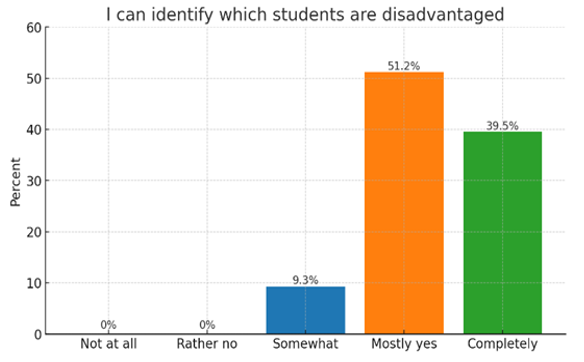
Figure 1. Recognition of students in a disadvantaged position
Item 2. “I can describe the main difficulties faced by students in a disadvantaged position”
No respondents selected “not at all” or “rather not,” suggesting no overtly acknowledged deficit. The absence of negative responses may indicate socially desirable responding or some overestimation. The combined share of “rather yes” (67.4%) and “completely” (18%) is 85.4%; 14% chose “to some extent,” implying fragmented or insufficient knowledge for a minority. Overall, teachers appear well informed but insufficiently systematized and detailed in their understanding; specific indicator sets and typical manifestations would aid identification (Figure 2).
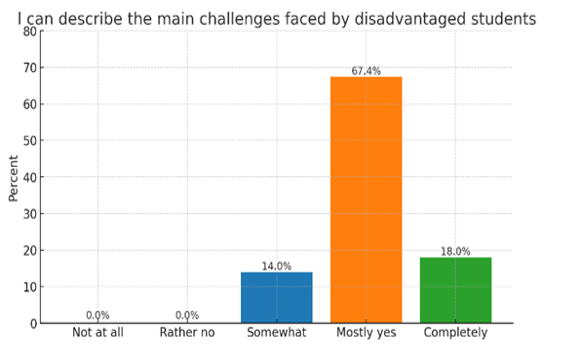
Figure 2. Ability to describe key difficulties of students in a disadvantaged position
Item 3. “I know whom refer to and how to coordinate support (resource teacher, psychologist, etc.)”
83.7% (sum of 55.8% “rather yes” and 27.9% “completely”) indicate strong orientation regarding necessary support. Fewer than one third express full confidence. Those expressing hesitation total 16.3% (9.3% “to some extent,” 7% “rather not”), indicating a potential risk of delays in initiating support. No one chose “not at all” (0%). Teachers appear to know whom to contact; the emphasis should shift toward how to orchestrate timely, adequate support (Figure 3).
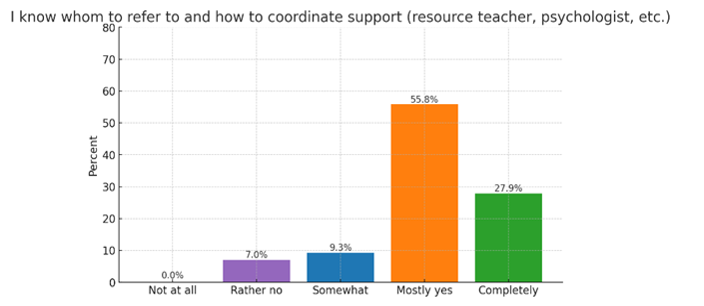
Figure 3. Knowledge of referral pathways and coordination of support
Item 4 (multiple selection). “By which indicators do you most often recognize that a student is in a disadvantaged position?”
Most frequently cited: “conversations with the student” – 23%; “socioeconomic signals” – 20%. Mid-range: “observed participation/achievement” – 16%; “information from parents” – 15%; “data from the school team” – 15%. Least cited: “documents/diagnostics” – 11% (Figure 4).
This pattern shows reliance on direct interaction and visible socioeconomic cues – effective for quick screening but vulnerable to bias and overemphasis on “visible poverty,” with possible under-detection of less salient barriers (e.g., trauma; deficits without conspicuous markers). Lower use of documentary/diagnostic evidence and multidisciplinary inputs suggests later or rarer formal verification. Greater validity would result from triangulating at least two distinct sources subjective and objective.
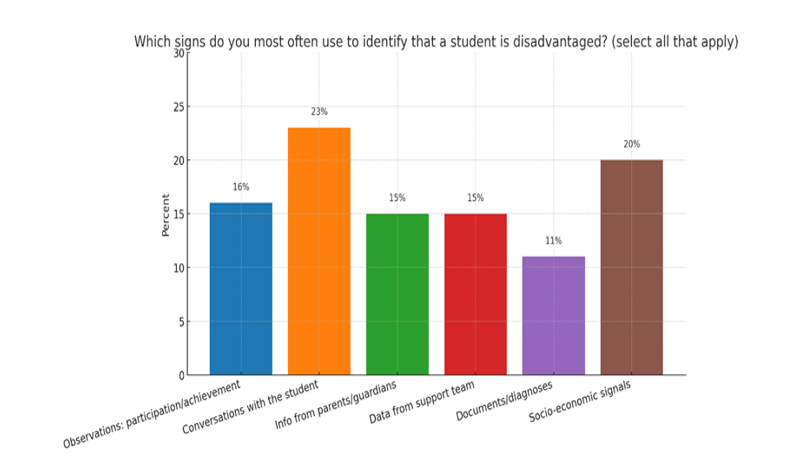
Figure 4. Most used indicators for recognizing disadvantage (multiple selection)
Item 5 (multiple selection). “What are the reasons/difficulties in motivating these students?”
Leading cause: “lack of support/instability in the family” – 20%. Next: “problematic/challenging behavior” – 17%. Substantial share: deficits in basic skills (reading, writing, arithmetic) – 15%. Then: “health/emotions/trauma” – 12%; “language barrier” – 11%; “financial difficulties” – 8%; “low self-esteem/fear of failure” – 7%; “cultural differences” – 6%; “insufficient school support” – 4%.
Root causes are primarily extra-school (family environment, health/trauma, language). Academic deficits in foundational skills also play a major role, undermining motivation and attainment. Intra-school deficits (4%) are likely underestimated; clearer pathways for support and coordination are needed.
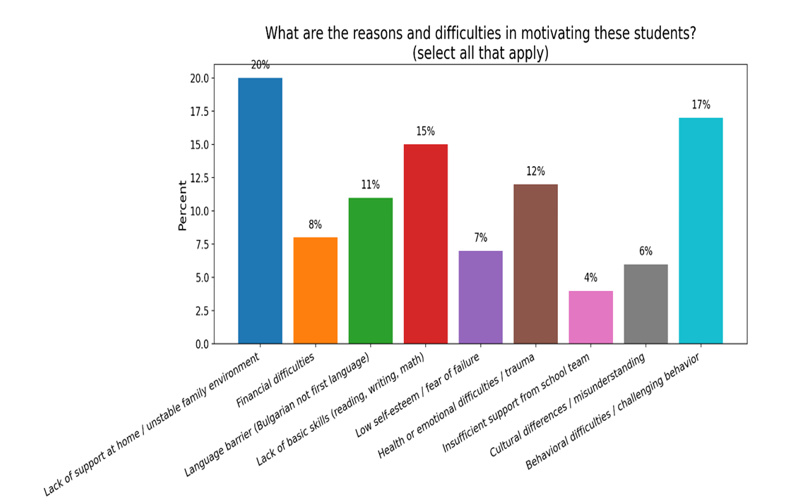
Figure 5. Reasons and difficulties in motivating students
Item 6 (multiple selection). “What additional support/resources would you like in order to motivate students in a disadvantaged position to learn?”
Top request: support from allied professionals (special education resource teacher/psychologist/social worker) – 18%. Close behind: “additional instructional hours” – 15%; “assistant teachers/volunteers/mentors” – 13%; “language support” – 13%. Then: “support for working with parents” – 12%; “dedicated room/resource center” – 9%; “scholarships” – 7%; “teacher mentoring” – 6%; “basic needs (food/materials/transport)” – 6%.
Teachers prioritize human capacity and time (specialists, extra hours, assistants), signaling perceived constraints for individualized work. The need for sustained family engagement is also evident. Material supports matter but are not foremost, perhaps because pedagogical resources are seen as more impactful. The low share for teacher mentoring suggests it may be undervalued.
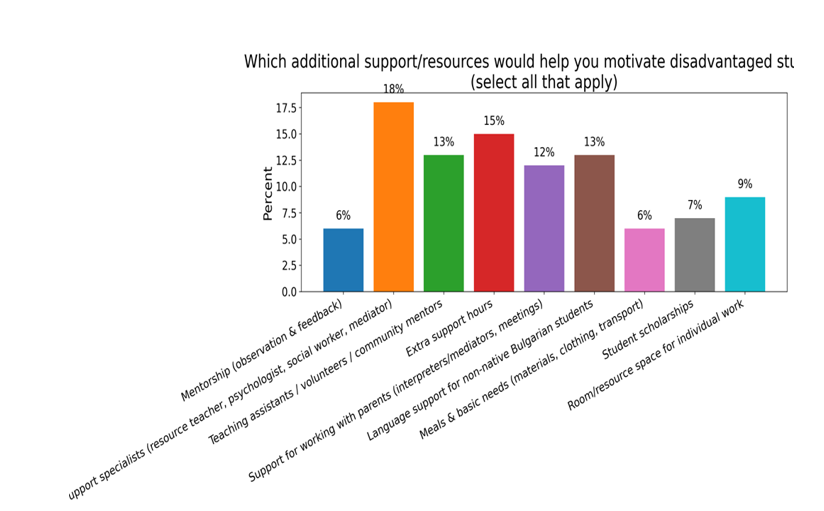
Figure 6. Desired additional supports /resources (multiple selection)
Item 7. “How often do you apply the following strategies and approaches?”
Findings indicate strong relational practices: collaboration with school teams (97.7%) and systematic contact with parents (97.1%), suggesting institutionalized communication channels and a culture of shared responsibility. Positive reinforcement and feedback are used frequently, indicating learner-centered practice. Lower frequencies appear for peer support/paired or teamwork and for differentiated tasks/assessment – still at generally good levels but lagging others, often due to time constraints, need for structured models for group work, and resource limits.
Overall, methodological competence is high, with well-developed collaboration and supportive relationships, alongside solid – but improvable – differentiation and cooperative learning.
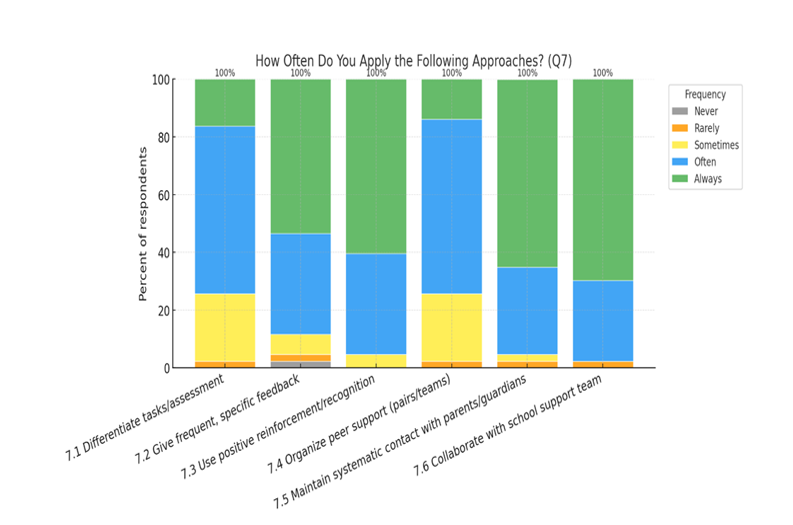
Figure 7. How often do you apply the following strategies and approaches?
Synthesizing across items, the highest levels pertain to describing key difficulties linked to educational inequality (≈ 85.4%), followed by coordination skills (≈ 83.7%). Teachers’ confidence is strongest in recognition, then description, and comparatively lower in application, forming a narrowing “pedagogical competence funnel”: recognition → description → application.
Approaches and Solutions
High awareness provides a sound basis for selecting pedagogical solutions to address educational inequality, yet there is a need to systematize specific approaches for effectively reducing deficits among students in a disadvantaged position. Without claiming exhaustiveness, we propose:
– Sharpen triage and diagnostic precision. Distinguish levels of urgency (routine, priority, urgent). Deepen diagnostic practices and document use; for validity, ground judgments in at least two distinct sources (objective and subjective).
- – family – school partnerships. Engage in full-fledged partnerships and flexible communication with parents.
– Remediate foundational skills systematically. Implement timely diagnostics, targeted consultations, clearly sequenced micro-goals, and visible feedback in reading, writing, and arithmetic. For learners needing language support, deploy enhanced visual scaffolds, co-constructed thematic glossaries, adapted materials, and augmented directions.
– Leverage mentoring and role models. Given the apparent undervaluation of mentoring, we highlight the role-model approach. Studies (Sternberg, 2014, p. 542) note that children in a disadvantaged position often have one educated adult – teacher, parent, friend, or other – who consistently emphasizes the value of education. Where parental education is low and schooling is not prioritized at home, such an adult can reshape attitudes by serving as a salient model to emulate. Teachers can assume this mentoring role.
In support of this position, K. Zlatkova-Doncheva examines the practical dimensions of mentoring as an approach applied to children growing up outside the family environment as well as to students with learning difficulties in school. She highlights the applicability of this approach and defines it as „…a form of targeted, weekly individualized support provided by mentors (volunteers) to children, aimed at compensating for social isolation, developing communication skills and capacities for emotional bonding, overcoming educational difficulties, and enhancing their motivation to participate in the educational process” (Zlatkova-Doncheva, 2022, p. 40).
Conclusion
As a result of the conducted theoretical investigation and the analysis of findings from the empirical study on pedagogical competencies for teaching students in the context of educational inequality, we emphasize the influence of the so-called mechanism of cumulative deficits. Undoubtedly, the prevention of cognitive lag is more readily achievable than the remediation of accumulated deficits at a later stage. In this regard, the need is substantiated for the development of pedagogical competencies associated with relevant solutions aimed at mitigating the effects of educational disparities, as well as for the purposeful implementation of approaches that foster the full personal and cognitive development of students in a disadvantaged position.
NOTES
- Preschool and School Education Act, in force since 01.08.2016.
Promulgated SG No. 79, 13 October 2015 – accessed 14.08.2025. - Naredba № 15 ot 22 yuli 2019 g. za statuta i profesionalnoto razvitie na uchitelite, direktorite i drugite pedagogicheski spetsialisti. https://dv.parliament.bg/DVWeb/showMaterialDV.jsp?idMat=140012
- Naredba za darzhavnite iziskvaniya za pridobivane na profesionalna kvalifikatsiya „uchitel“, V sila ot uchebnata 2017/2018 godina, Prieta s PMS № 289 ot 07.11.2016 g. https://lex.bg/bg/laws/ldoc/2136927893
- National Strategy for the Child (State Agency for Child Protection) – accessed 14.08.2025.
- Council of Ministers Decree No. 245/30.11.2023, “Medico-social care for children in a disadvantaged position; maternal and child health,” SG No. 101/05.12.2023.
- Council of the EU Recommendation Pathways to School Success (2022).
- Recommendations to Bulgaria of the UN Committee on the Rights of the Child (2024) concerning data and policies for “children in a disadvantaged position” (Roma children; children with disabilities; children in alternative care; asylum-seeking children; etc.).
- UNICEF (2021). (Un)equal Childhood: A Comprehensive Analysis of Child Poverty and Social Exclusion in Bulgaria. Sofia: UNICEF.
- UNICEF Bulgaria (2014). Effects on Children Left Behind by Parents Working and Living Abroad.
REFERENCES
Diprete, T., & Eirich, G. (2006). Cumulative Advantage as a Mechanism for Inequality: A Review of Theoretical and Empirical Developments. Annual Review of Sociology, 32, 271 – 297.
Delibaltova, V. (2003). Kam kompetentnostta kato obekt na didakticheski interes. Pedagogika-Pedagogy, 3.
Kaloyanova, N. (2021). The Teacher’s Professional Roles – Trends and Perspectives. Burgas: LibraScorp.
Chavdarova-Kostova, S. (2022). Narachnik za prilagane na kompetentnostniya podhod v obuchenieto na badeshti uchiteli.Sofia.
Kostova-Chavdarova, S. (2024) Pedagogicheskata kompetentnost v konteksta na klyuchovite kompetentnosti, Nauka i obrazovanie, 8.
Levterova, D. (2009). Sotsialna kompetentnost. Parva chast. Plovdiv: Paisiy Hilendarski.
Mihova, M. (2014). Obrazovatelna politika na Evropeyskiya sayuz. Problemi i prioriteti. Plovdiv: ASTARTA..
Sternberg, R. & Williams, W. (2014). Educational Psychology. Sofia: Iztok-Zapad.
Varbanova, S. 2018. Non-formal and Formal Education – Effects of Connectedness. Pedagogika-Pedagogy, 90(1), 10 – 25.
Zdravkova, B. (2014). Osnovni kompetentnosti v sotsialno-pedagogicheskata praktika Pedagogika-Pedagogy, LXXXVI(1), 41 – 47.
Zlatkova-Doncheva, K. 2022. Innovative Mentoring Program for Supporting Children at Risk and Children with Learning Difficulties. In: Regional Conference with International Participation – Development of Inclusive Education in Bulgaria. 15 Years Later. Sofia: St. Kliment Ohridski University Press.
Prof. Dr. Lyubomira Popova
ORCID iD: 0000-0002-4063-3799
„St. Cyril and St. Methodius“ University
Veliko Tarnovo, Bulgaria
E-mail: l.popova@ts.uni-vt.bg
>> Download the article as a PDF file <<

Свързани статии:
 Israeli Math Teachers‘ View on Integration of STEM Modules in Mathematics Studies as a Motivator in 9th Grade
Formation of Inclusive Competence of Higher Education Students in the Field of Knowledge 01 Education/Pedagogy
Investigation of 238U, 234U And 210Po Content in Selected Bulgarian Drinking Water
Analysis of the Results of a Research
Conducted on the Music Literacy of Students – Future Teachers
Israeli Math Teachers‘ View on Integration of STEM Modules in Mathematics Studies as a Motivator in 9th Grade
Formation of Inclusive Competence of Higher Education Students in the Field of Knowledge 01 Education/Pedagogy
Investigation of 238U, 234U And 210Po Content in Selected Bulgarian Drinking Water
Analysis of the Results of a Research
Conducted on the Music Literacy of Students – Future Teachers