
Silvana Karagyozova
Sofia University “St. Kliment Ohridski” (Bulgaria)
https://doi.org/10.53656/ped2026-3.03
Abstract. The article presents a study conducted during the 2024 – 2025 academic year among undergraduate and graduate students at Sofia University enrolled in the professional field of Music and Dance Arts. The aim of the study was to examine their attitudes toward implementing the flipped classroom pedagogical model. During our qualitative research, we identified several critical issues, which will be discussed in this article. These challenges include lack of time, student overload, low levels of personal responsibility and self-discipline, inconsistent learning outcomes, certain expectations aligned with traditional teaching methods, and issues related to the UX/UI design of the learning platform.
Keywords: flipped classroom, flipped classroom and lack of time, flipped classroom and motivation, higher education
Тhe profile of today’s student is changing at an exceptionally rapid pace. As Apostolova asserts, “the constant metamorphoses in the social, humanistic, and educational spheres already have a distinct impact, shaping new mental and behavioral reflexes in young people” (Apostolova-Dimitrova, 2024, p. 6). The contemporary learner is unable to cope with high workloads; perceives their development more as entertainment; dislikes self-control but seeks self-expression; resists working in isolation and is instead interested in social relations and interactions; has the expectation that everything should be quick and easy (McConnell, 2006); navigates the virtual realm effortlessly; thrives in online social environments; is easily distracted; prefers to access information through mobile devices; is impatient and constantly seeks instantly available, easily accessible information (Singh, 2025); and demonstrates a lack of interest and motivation in the learning process (Karcheva, 2019). For this student, intrinsic motivation is far more significant and powerful than extrinsic motivation (McCrindle, 2023), and they often exhibit signs of FOMO (Fear of Missing Out) syndrome. In order to address these substantial challenges within the student landscape, the learning process necessitates the implementation of various modern pedagogical strategies, one of which is the flipped classroom model.
As one of the approaches within flexible learning design, the flipped classroom model is widely recognized in most targeted academic studies – almost unanimously – as a successful strategy for active learning. It promotes student engagement and motivation while enhancing learning effectiveness and student satisfaction (Chao et al., 2015; Bhagat et al., 2016; Rotellar & Cain, 2016; Fung, 2020; Seo et al., 2021). However, our experience with students in higher education has not been as definitively positive as the literature suggests. During the qualitative study, several critical issues emerged, which will be discussed throughout the article. These challenges include time constraints, student overload, a low level of personal responsibility and self-discipline among learners, inconsistent outcomes, specific expectations aligned with traditional teaching methods, and the learning platform’s user experience and interface design.
Background Research
In the Flipped classroom model, the conventional learning process is generally reversed, with students accessing, learning from, and reflecting on learning materials (most often text and video clips) in their own time and place. In the subsequent third and fourth phases of the model (as defined by Gerstein, 2011), the acquired knowledge is verified and demonstrated face-to-face in the classroom. In other words, “students are required to participate in or complete some form of pre-learning online in preparation for a structured, on-campus learning activity” (Reidsema, Hadgraft & Kavanagh, 2017, p. 5). This relocation of lectures beyond the physical classroom and their placement under the control and responsibility of the learner aligns with several contemporary pedagogical paradigms and theories.
The model can be readily adapted to various modes and formats of instruction – face-to-face, online, or hybrid approaches – due to its flexible instructional design, a feature highly valued by today’s learner populations. It is even preferred by students with additional professional or personal commitments, as it enables a balance between academic and personal life and gives them a sense of autonomy (Haukås, Pietzuch & Schei, 2022). Flexible learning design offers a personalized educational experience (Chen et al., 2019) and is a learner-centered approach that grants students freedom and choice regarding the content, method, timing, and place of their learning. It considers their individual goals, preferences, and prior experiences (Littlejohn and Pegler, 2007; Garrison and Vaughan, 2008).
Viewing cognition as a process of interaction between the knower and the known is one of the leading principles of the flipped classroom strategy. This active form of knowledge construction on the part of learners themselves is associated with the constructivist educational paradigm. The core principles provided by constructivism as a reference framework for meaningful learning process include the creation of conditions for: active cognitive reorganization; opportunities for constructive and individualized development; situated and authentic learning in realistic contexts; learning mediated by tools and resources, and the associated system of meanings; and guidance towards the development of self-observation and self-control of the learning process (Duffy and Cunningham, 1996). Within this framework, the characteristics of the flipped classroom model most closely align with the learner’s active role, the emphasis on authenticity, and the encouragement of self-regulated learning.
Flipping the classroom creates active learning environments that integrate various dimensions of learner experience. On the one hand, students construct their own understanding as they move through learning materials and resources at their own pace, revisiting them as often as needed, at a time that suits them. On the other hand, during the subsequent in-person sessions, learners are allowed to adjust their personal constructs and interpretations of knowledge, refine them, and learn how to apply them in practice and real-life situations. As Dimitrova notes, “The active involvement of young learners in the educational process enables the achievement of curricular goals in the subject through a variety of tasks through which new knowledge and skills are acquired” (Dimitrova, 2023, p. 430).
It is indisputable that “active teaching methods create the best conditions for the student to transition from being a passive object of instruction to becoming a subject of the learning process, thereby achieving the highest level of engagement – self-directed learning and self-education – which is one of the ultimate goals of education” (Stoykov, 2001, p. 91). This is a pedagogical perspective that is associated with the concept of self-regulated learning – a multifaceted process through which learners independently plan, organize, monitor, and adjust their learning by using various strategies, evaluate outcomes, and adapt based on feedback to achieve improved results. Closely associated with the work of Zimmerman (2003, 2008), the self-regulated learning process emphasizes the acquisition, processing, and application of knowledge (cognitive skills); self-monitoring and reflection on one’s learning (metacognitive skills); the use of strategies that support learning and time management (behavioral aspects); intrinsic motivation, goal orientation, self-efficacy, and perseverance (motivational factors); as well as maintaining a positive attitude, enthusiasm, regulating emotions and stress related to learning (emotional-affective components).
The flipped classroom is a model that integrates self-regulated and active learning – two interrelated approaches that complement and reinforce one another to pursue a more effective, engaging, and sustainable educational process. Self-regulated learning supports the autonomy, planning, and self-control required for successful work in a flipped classroom environment active participation. In turn, active learning demands participation, reflection, and practical application – processes that inherently require self-regulation and are realized through the flipped model. Combining individual preparation with subsequent group-based activities, the flipped classroom incorporates self-regulated and active learning across its various stages. In summary, we may assert that self-regulated learning provides the necessary skills, active learning establishes the mode of engagement, and the flipped classroom offers the context in which both are applied in unison.
A growing body of research highlights the various dimensions of the flipped classroom’s effectiveness, including increased motivation, improved academic performance, development of critical thinking, and a more positive attitude toward learning. Scholars assert that, in comparison to the traditional lecture-based approach, the flipped learning model is more dynamic and learner-centered (Karjanto & Acelajado, 2022); it supports students in becoming better prepared, more active, and more motivated in their studies (Trust, 2018; Chou, Chen & Hung, 2021; Ng & Lo, 2022; Jiang et al., 2022; Sevillano-Monje, Martín-Gutiérrez & Hervás-Gómez, 2022; Anjass, Hamed & Aguaded-Ramírez, 2025). Furthermore, there is evidence of a positive impact on learners’ academic outcomes, engagement with learning materials, comprehension, confidence, and overall retention (Castedo et al., 2018; Rodríguez-Chueca et al., 2019; Sevillano-Monje et al., 2022; Akintolure et al., 2023; Yovkova, Peytcheva-Forsyth & Racheva, 2025). The model also fosters the development of 21st-century skills and key competencies essential for responding to global challenges (Zhao et al., 2021), and contributes to improved analytical thinking and greater confidence in one’s abilities (Hao, 2016; Mortaza Mardiha et al., 2023).
Research methodology
Fully agreeing with the notion that classroom time is valuable and that the knowledge, skills, and experience of the instructor should be utilized to the fullest extent (Rotellar and Cain, 2016), we found it appropriate to take advantage of the strengths of the flipped learning model, which have been highlighted by numerous researchers.
The flipped classroom model was implemented over the course of one semester during the 2024/2025 academic year among 22 students from Sofia University “St. Kliment Ohridski” – 16 undergraduate students enrolled in the “Music” bachelor’s program and 6 students in the “Audiovisual Design” master’s program. The study was prompted by the observation of significant neglect on the part of students during the self-preparation phase, which, in practice, compromised the implementation of the model within the educational process. In seeking the reasons behind this behavior, we employed the interview method – as a key element of any qualitative evaluation – alongside structured observation by the instructor, aimed at analyzing
the student’s engagement-progress relationship.
In an effort to address the questions of whether the flipped classroom model is suitable for our context and what needs to be done to integrate it effectively into teaching practice, the following questions were posed during the interview:
- What is the most common reason you do not watch the video clips or read the materials when assigned as homework?
- Do you prefer to become acquainted with the core learning material during in-person classes rather than on your own at home? Why?
- What could motivate you to watch the video clips or read the materials when these are assigned as homework?
The questions focused on video content, as videos represent the dominant portion of the learning resources and are considered one of the most engaging forms of content delivery for students.
The instructor’s structured observation focused on determining the impact of the flipped classroom approach on students’ motivation, engagement, and academic performance.
Pedagogically, the flipped classroom model was implemented appropriately, in alignment with contemporary theoretical and practical guidelines. The electronic learning resources were designed with variety, predominantly featuring audiovisual content, but also incorporating presentations, infographics, and textual documents. A dynamic learning environment was fostered in the classroom, where a range of activities, scenarios, and strategies were employed to reinforce and apply acquired knowledge – these included discussions, case study analysis, inquiry-based tasks, projects, and problem-solving exercises. Clear connections were established between out-of-class and in-class activities, with well-structured guidance, objectives, and expectations provided to students for subsequent in-person sessions. Students were given sufficient time to complete the assigned tasks, and technologies that were familiar, easily accessible, and user-friendly – such as the Moodle platform – were utilized.
Thematic analysis was employed to examine the most frequently recurring patterns in student responses. The answers were codified into semantic units, the codes were grouped into themes, and following a thorough review, the results were formulated and interpreted. To arrive at a more structured and quantitatively oriented outcome, content analysis was also applied.
Analysis of Results
- Interview
Although students exhibit varying perceptions of their own learning behavior, the following primary reasons emerged among undergraduate students in response to the first interview question:
- a) Question 1
- Lack of time and overload
Ten out of sixteen students emphasized that time is a limited resource due to academic workload and employment commitments. These factors make it difficult for them to accommodate additional learning materials alongside other responsibilities and tasks. Y.A. shares: “I usually read the materials before each lecture – I only skip this when we are overwhelmed with homework assignments.”
Two students also pointed to the volume of the materials. R.H. states: “Quite often, the materials provided are extensive, making it practically impossible to go through or watch them – not due to lack of interest, but because of lack of time. In addition to the materials or videos for reading, listening, or watching, there are also numerous assignments to complete, which are time-consuming and require a responsible approach. Personally, this is a major factor in my inability to manage the full volume of assigned materials, as my focus shifts and my priorities change.”
- Motivation, engagement, and personal habits
A lack of intrinsic interest and low engagement is another recurring theme that come to the fore in the analysis. P.M. shares: “When (in rare cases) I am not interested in the subject, I find it hard to stay motivated to study for it.” D.G. provided an indirect response that also reveals the role of intrinsic motivation, identifying personal interest as the key driver for voluntary engagement with the content. For him, aside from interest being a primary motivator, the presence of a mandatory task serves as a secondary incentive.
L.G. offered a thoughtful, reflective comment demonstrating awareness of the importance of personal responsibility in the self-directed learning process and how the effectiveness of education depends on whether students themselves perceive value and meaning in it.
The observation that self-discipline plays a significant role in the effective implementation of the flipped learning model – and in the learning process in general – is supported by the fact that four students were exceptionally candid, openly admitting to their own “laziness.” Others cited factors such as “poor time management,” “procrastination,” “forgetfulness,” and “fatigue, leading to prioritization of rest.” One student pointed to their personal learning style, acknowledging the difficulty in focusing on video content while having no issue engaging with written materials.
- Generational Preferences and Attitudes
One student, who self-identifies as belonging to an older generation, reported feeling more engaged within the traditional educational model, expressing a preference for live interaction and discussion over self-directed learning formats.
V.B. shares the following opinion: “I consider the lecture to be more informative than the videos – in other words, it provides me with more of the essential information needed to understand the topic, whereas the video clip feels like supplementary, non-essential material (perhaps a leftover from remote learning during the COVID period).”
- Technical and Visual Quality of the Video
R.H. lists specific technical shortcomings such as poor audio and video quality, visually straining color schemes, weak content delivery, and the use of foreign-language materials that were not adapted into Bulgarian. These factors made her interaction with the video and presentation materials ineffective. This highlights the conclusion that the quality of the video – both in terms of visual and audio aspects – is a significant factor in fostering engagement, perception, and comprehension.
- Platform Access and Organization
One student identifies the technical interface of the Moodle platform as a barrier. According to their feedback, the platform is challenging to navigate and lacks an intuitive structure. They expressed a preference for a more accessible and lightweight format that would require only “scrolling” through the content – in other words, an experience closer to that of TikTok.
Among the master’s degree group, the responses were similar, with four main themes emerging:
- Lack of Time and Overload
Four out of six students directly mentioned time constraints as the dominant reason for not engaging with the preparatory materials. The difficulty lies in balancing studies with full-time employment, family obligations, campaign participation, and other professional responsibilities. Three students shared that they manage to review the materials, albeit not within the designated timeframes, and find it convenient that the materials are electronically available in a place where they can access them at any time. One student admitted to simply forgetting.
- Psychological and Motivational Factors
Similar to the undergraduate group, it was noted here as well that studying at home requires greater effort to concentrate and is often postponed or extended beyond the suggested deadlines. I.I. shared:“Given my professional and family commitments, the free time available to me is highly fragmented and often arises spontaneously, which makes it ineffective for focused use. Moreover, outside the context of the educational institution, engaging with study material requires double the effort for concentration and overall motivation, as the emotional and psychological setting for this self-directed learning process is significantly ineffective in a work or home environment.”
- Technical and Platform-Related Barriers
Interestingly, this group also provided evidence of how technological tools influence both motivation and access to information. The inconvenient interface, noted in both groups, constitutes a real barrier. K.S. gave a direct response: “Because it is on Moodle – the difficult access, the use of outdated platforms or communication methods demotivates me.”
- b) Question 2
The responses to the second research question from the undergraduate students clearly reveal that in-person classes are unanimously preferred as the primary format for the initial acquisition of course content. This includes students who acknowledge that independent study also has its place but does not replace direct interaction with the instructor. The main arguments for this preference include:
– Easier comprehension/perception and retention – Five students stated that they find it easier to absorb and remember information when they hear it and discuss it in the moment.
– Opportunity for dialogue and immediate feedback – Almost all respondents indicated that in-person lectures allow for asking questions and receiving immediate answers. Others highlighted the benefit of sharing diverse viewpoints and engaging in discussions with both the instructor and peers.
– Engagement – In-person sessions are perceived as a more motivating and engaging environment (V.D.), and the teamwork and classroom atmosphere positively influence focus and willingness to participate (Y.Y.).
– Effectiveness – Some students noted that face-to-face classes guarantee that the material will be covered at least once, and one student emphasized that this allows home study time to be used for review, which they find more effective.
The responses of the master’s degree students were similar: four out of six preferred in-person sessions, citing comparable reasons to their undergraduate counterparts – better concentration and focus during class, the opportunity for group discussion, and the prevention of misunderstandings through real-time clarification.
One student offered a more balanced perspective, highlighting the pragmatic potential of blended or flexible learning, which the flipped classroom model can represent: „A hybrid approach, such as the one we are currently practicing – with a connection to the instructor and access to extensive, technically oriented information – is, for me, a working formula for acquiring key competencies.” (K.A.)
Paradoxically, one student – who had not actively engaged with the assigned homework due to resistance toward the proposed learning management platform – nevertheless acknowledged the intrinsic strengths of the flipped classroom model. They recognized that theoretical content is better suited to independent study at home, while in-person sessions are more appropriate for applying that theory.
- c) Question 3
In the thematic analysis of the third research question, the responses of undergraduate students were grouped into the following themes:
- Time and Volume of Material
Four students identified time availability as a motivating factor. Two others highlighted the volume of informational content, stating a preference for short materials with clear and concise information.
- Teaching Method
Eight students proposed a variety of strategies that, in their view, could enhance their motivation—such as initiating each class with a discussion, assigning small tasks related to the material, watching/reading content during class, and linking their individual efforts to assessment and grading.
- Negative Attitudes and Demotivation
A small but significant group of students experience low motivation in general or cannot offer a viable solution. Some of these students, either by disposition or past experience, are less motivated and/or more skeptical toward homework assignments, especially when expected to engage with them independently. Such students tend to have negative attitudes toward pedagogical models similar to the flipped classroom approach. T.G. states: “Watching videos and reading materials at home is boring and demotivating for me. I could just as easily find educational videos online myself without needing to enroll in higher education.”
Some students encounter language barriers, and the lack of Bulgarian-language adaptation of resources was also identified as a factor that limits learner engagement and contributes to demotivation.
One student offered a response emphasizing individual responsibility and intrinsic attitude as key learning drivers. V.B. shared: “Personally, motivation for me could come from personal desire. From the instructor’s side – honestly – I can’t think of what more could be done to capture the student’s attention and spark their interest.”
After reviewing and coding the responses to the third question from the smaller master’s group, the key elements largely mirrored those found in the undergraduate responses:
- Internal Autonomy and Intrinsic Motivation
Two participants believe that engagement does not depend so much on external factors as on internal self-regulation and the personal interpretation of the learning process. K.S. states that “motivation comes from within,” while B.N. expresses the position that “motivation is primarily an internal resource, not something that can easily be triggered externally.”
- Practical Orientation and Applicability
The material would be more motivating for two students if it led to a specific action tied to a targeted assignment.
- Social Learning
One student suggested they would feel more motivated if the learning process involved interaction with others rather than being entirely individual. M.S’s suggestion was brief and straightforward: “Assigning a group task that allows us to discuss among ourselves.”
- Observation
At its core, a significant part of the success of the flipped classroom learning approach depends on the interconnectedness between out-of-class and in-class activities. The guiding principle is that “if learners work with the core material before class, they are better prepared to apply what they have learned and engage in discussions with their peers and the teacher afterwards” (Honeycutt & Garrett, 2014, p. 12). In practice, this ensures a natural progression along the hierarchy of cognitive skills (Bloom’s Taxonomy), allowing learning objectives to be sequenced from lower-order thinking skills – such as remembering and understanding, which occur when students first engage with foundational content outside of class – to higher-order cognitive processes, such as application, synthesis, analysis, and evaluation, which are fostered through in-class activities.
Although the modern learner responds well to online channels and is actively engaged in social media, the instructional process revealed cognitive disengagement during the preparatory stage in which learning materials were provided for independent study. Among undergraduate students, three individuals (18.75%) regularly reviewed the assigned learning resources (both viewing and reading) within the designated time frame; three students (18.75%) partially engaged with the materials; and ten students (62.5%) did not complete the assigned preparatory task. Among master’s students, one person (16.67%) took an active role and followed the learning path as instructed and on time; two individuals (33.33%) demonstrated inconsistent behavior; and three individuals (50%) did not engage in the designated activity (Table 1, Fig. 1).
Table 1. Quantitative distribution of learner activity across subgroupсs.
| Educational level | Total number of respondents | Active | Partially active | Inactive |
| Bachelor’s degree | 16 | 3 | 3 | 10 |
| Master’s degree | 6 | 1 | 2 | 3 |
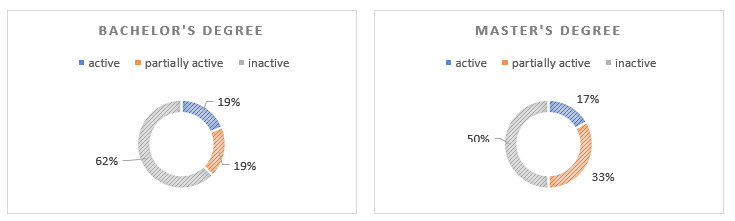
Figure 1. Percentage distribution of learners’ activity
In practice, more than half of the learners attend the in-person sessions without familiarizing themselves with the video content or the accompanying textual resources (where such are provided), which hinders the effective implementation of the flipped classroom strategy. The problems we identified as a consequence of this negative characteristic were identified in four critical moments.
Marker 1. Ineffectiveness of Group Work
Since the fundamental characteristic of flipped learning is the discussion and practical application of knowledge in class after the knowledge sets are pre-loaded in the students’ brains, these activities become ineffective if the necessary preparation is lacking. Students are unable to participate in active, collaborative, and, therefore, effective learning during class time. In this sense, the integration of knowledge becomes, if not impossible, then at least significantly more difficult.
Marker 2. Delayed Academic Progress
Unsurprisingly, the lack of prior preparation negatively affects learners’ academic performance. The inability to understand the material and keep pace with the course content makes it difficult for students to progress at the collective rhythm of the class. Participation in learning activities is compromised, and the need to catch up with peers becomes increasingly burdensome regarding time management. This is a strong predictor of poor academic outcomes and for the modern learner, often leads to heightened stress, feelings of overload, and a gradual loss of motivation.
Marker 3. Uneven Allocation of Time During In-Class Sessions
When the predominant part of learners exhibit gaps in prior knowledge and understanding of key concepts, they are unprepared for the in-class activities as originally intended. The instructor is compelled to re-teach the material, thereby reverting to a traditional teaching model and significantly reducing the time available for the planned interactive tasks.
Marker 4. Demotivation and Frustration
Although they may not form the larger part, well-prepared students experience disappointment and frustration as they are forced to conform to the general pace of the group. This leads to stagnation in their own academic development. The minority is forced to conform to the majority, which understandably creates conditions for a crisis in their commitment and motivation.
In order to develop a mechanism that would motivate and engage learners, a pedagogical intervention was introduced – one that was not originally planned as part of the model’s implementation: a knowledge assessment test. Although a variety of in-class activities were designed to check comprehension of the material studied at home – such as discussions, targeted practical assignments, and case studies – it was observed that the only activity where individual learning approached nearly one hundred percent completion, both in terms of meeting deadlines and in the amount of content mastered, was the use of formal testing.
Interpreting why this was the case, we may draw on certain psychological concepts and identify several plausible explanations. A test, as a clearly defined event with a fixed date, creates a sense of urgency and structure in students – something that many other types of assignments often lack. Tests are frequently associated with outcomes that impact overall academic success, eligibility for scholarships, progression to the next year of study, or even one’s self-evaluation. This generates motivation through loss aversion and compels students to study, even if they are not intrinsically interested. The approaching test triggers a mechanism commonly referred to as “last-minute motivation” – students experience internal stress that prompts them to take action. This places them in a mode quite different from the relaxed pace of casually watching or reading material “for general knowledge” (Steel & König, 2006; Steel, 2007; Rabin, Fogel & Nutter-Upham, 2011).
Discussion
In summary, in the context of this study, students encounter various barriers of both objective (lack of time, employment commitments, language, technical factors) and subjective (motivation, learning style, preferences, attitudes) nature when working with supplementary learning materials. Among the most frequently cited obstacles to successfully implementing the flipped classroom model in an academic context, students highlight time constraints and overload. Time management outside the academic environment proves challenging, especially for employed students. A significant portion of the respondents report feeling overwhelmed by the demands of preliminary preparation and the volume of materials, which affects their emotional variables. Dissatisfaction with the flipped learning approach is evident – an observation supported by other studies (Missildine et al., 2013; Mason et al., 2013).
Although mentioned by only one student, additional emotional discomfort arises from video and written materials in a foreign language, which are provided without adequate translation or even subtitles. This creates a sense of difficulty in understanding and assimilating the information. The quality of the videos, both in terms of visuals and audio, is another important factor influencing engagement with the material and ease of comprehension.
In terms of motivation, within the flipped learning approach, students face not only cognitive but also organizational challenges that undermine their personal discipline (procrastination, forgetfulness). A difference in perception between instructors and students is observed regarding learning strategies that require increased personal responsibility. While instructors perceive the independent acquisition of fundamental content as an opportunity to cover a broader range of topics and to develop more diverse and engaging interactive classroom activities, students often interpret this as an added burden, feeling that they have “extra” work because they must complete all preparatory activities to keep pace with the class (Rotellar & Cain, 2016). Students accustomed to traditional didactic lectures often resist the flipped classroom concept, as it shifts the burden of learning onto them.
As for the two individuals who reported difficulties with the Moodle platform, the issues raised are valid, though they appear more as rationalization than as compelling arguments.
Despite Kovacheva’s relevant observation that “the trend in education is toward greater interactivity, aiming for each student to become an active participant in the educational process. This necessitates the search for alternative – albeit digital – methods to engage learners” (Kovacheva, 2003, p. 437), the insufficient engagement and motivation of students emerge as a systemic issue in contemporary education (Thomas, 2015). It is therefore unsurprising that our analysis indicates a consistent, multilayered preference for in-person learning, strongly supported by cognitive, social, and practical factors. Independent work is valued, but primarily as a enhancement tool rather than a leading educational strategy. Live interaction with the instructor, especially during the delivery of core content in face-to-face lectures, remains a key component of the learning process, as it is perceived as a form of active information processing – one that facilitates comprehension and retention, provides immediate feedback, and allows for the exchange of perspectives and participation in group discussions.
The interpretation of these findings suggests that in-person sessions provide students with a richer sensory and social experience, leading to deeper understanding and better memory retention. Students value communication as a critical component of learning – not only for acquiring knowledge but also for validating their own understanding. From the perspective of student engagement, face-to-face learning creates social pressure and motivational cues that are difficult to replicate in an independent online environment. Consequently, self-directed study is viewed as a secondary supplementary element – effective only after the initial presentation of the topic by the instructor.
There is a noticeable inconsistency in the recommendations expressed by some students regarding enhancing motivation through the assignment of homework tasks. At the same time, the primary obstacle to engaging in learning activities such as watching and reading materials at home remains the lack of time and excessive personal or professional commitments. It becomes evident that students recognize the value of homework assignments as a means of maintaining engagement and motivation. Yet, due to other responsibilities, they often lack the necessary time to complete them. This ambivalence undermines the motivational value of the particular strategy.
From a pedagogical perspective, students’ lack of prior preparation in the context of flipped learning leads to systemic difficulties in achieving the core objectives of this model. First and foremost, the inefficacy of group work becomes evident in the inability to foster meaningful collaboration and active exchange in class, as prior mastery of the learning material is a prerequisite for engaging in purposeful, practical activities. This hinders the integration of knowledge and its deeper understanding. Secondly, lack of preparation adversely affects academic progress, leading to falling behind, difficulties in following the course trajectory, and feelings of pressure and overload – all of which are associated with decreased motivation and performance. Furthermore, the logic of time allocation during in-person sessions is disrupted – lecturers are compelled to compensate for gaps in students’ knowledge, which limits the time available for implementing active methods and effectively reverts to a traditional teaching model. Finally, highly motivated, active, and well-prepared students experience frustration due to the slowing of their individual pace and the underutilization of their potential, which in turn undermines their engagement and academic motivation. Taken together, these factors cast doubt on the effectiveness of the flipped classroom model unless a reliable framework for prior preparation is established.
Following a pedagogical redesign prompted by the identification of activities insufficiently effective for flipped instruction, it was found that introducing a knowledge-check quiz was the only successful strategy that led to the effective implementation of the model and prompted students to take an active role in their independent preparation.
Conclusion
„When we insist that our students prepare in advance of our direct involvement with them, we are likely to be interfering with our student’s conceptions of teaching and the student–teacher relationship“ (Reidsema, Hadgraft and Kavanagh, 2017, p. 6). The extent to which this strategy – requiring students to take an active role in their own development – was adopted proved to be dependent on several factors: lack of time and overload, generational preferences and attitudes of the learners, their previous experience with the flipped classroom model, as well as their psychological and motivational profiles. Among the students in the examined group, there appeared to be no readiness for the flipped classroom model in the sense of its core requirement that learners complete certain forms of preparatory work prior to engaging in coordinated in-class activities.
To be implemented effectively, the flipped classroom model primarily relies on learners possessing individual characteristics that align with those inherently necessary for acquiring knowledge within this format. Even if the instructor has provided all the necessary steps – flexible scheduling, alternatives to standard learning platforms, a variety of content formats, support through organizational tools (reminders, calendars, navigation guidance), greater interactivity, and high-quality materials – if the student is unable to manage their time, complete independently assigned tasks, follow instructions, or engage in learning without external pressure; if they do not develop an awareness that prior preparation is essential for their active participation in the learning process; and if they are unprepared to assume responsibility for their own learning and progress, then the model cannot be successfully implemented.
Paradoxically, however, as educators, we see the true potential of the flipped classroom precisely in this direction. Numerous neurobiologists have argued that the brain’s functioning is changing due to our increasing integration with the internet. This “TikTok-like” impulse for constant surfing and scanning is being transferred from the everyday habits of the modern generation into their expectations for learning in an academic context (one student even remarked that they would be more likely to watch the videos if they were delivered on a TikTok-style platform). However, this tendency, as Sikorski reports, leads to the development of greater superficiality and a careless attitude, manifesting in a lack of depth (Quoted by Shtepura, 2022). “Deep mental work, which is the main condition for learning, has been replaced by digital sliding in the net, and surfing and browsing are superficial processes that leave little information in the brain.” (Shtepura, 2022, p. 91) In our view, the flipped classroom is a pedagogical approach that not only successfully adapts to technological and social change, but – more importantly – teaches students how to learn, rather than merely transmitting knowledge. A structured and well-organized flipped classroom helps students cultivate self-discipline, self-motivation, responsibility, and a higher level of organization. Within the framework of a structured yet flexible learning environment, collaboration, respect for diverse perspectives, and effective communication are actively encouraged. In this way, the flipped classroom does more than transform the traditional teaching model – it creates the conditions for educating responsible, motivated, and disciplined individuals who are better equipped to meet the challenges of contemporary education and society.
Limitations of the Study
Acknowledging certain limitations to which this study is not immune is important. Firstly, its generalizability is limited due to the small scope of the representative sample. Secondly, we are aware that the inductive approach employed in analyzing the results may challenge the validity of the conclusions. In order to minimize subjectivity in the interpretation of the data, two strategies were implemented: a rigorous system of coding and categorization, and member checking – a process through which the findings were confirmed with the participants, establishing that the interpretations aligned with their experiences.
It should also be noted that the results are context-dependent, as they are deeply rooted in specific cultural, social, demographic, and organizational circumstances. As such, they are unlikely to be easily transferable or replicable in a different but similar study setting.
Despite these limitations, we hope to have achieved both depth in understanding the participants’ meanings and experiences and transparency and trustworthiness in the analysis.
REFERENCES
Akintolure S. O.; Akinola V. O.; Olaleye E. O. & Braimoh D. S. (2023). Effect of flipped classroom on students’ academic performance in practical physics amongst secondary schools in Lagos state. IJELICT, 2(1), 132 – 141.
Anjass, E.; Hamed, C. & Aguaded-Ramírez, E.M. (2025). The effectiveness of using the flipped classroom in science education for ninth-grade students, Journal of Technology and Science Education, 15(1), 78 – 90. https://doi.org/10.3926/jotse.2842
Apostolova-Dimitrova, M. (2024). Obuchenieto po muzika. Metodicheski praktiki v bylgarskoto obshtoobrazovwatelno uchilishte. Sofia: Wess Music [in Bulgarian]. ISBN 978-954-9369-73-1.
Bhagat, KK; Chang, CN & Chang, CY. (2016). The impact of the flipped classroom on mathematics concept learning in high school. Educational Technology & Society, 19(3), 134 – 142. ISSN 1436-4522.
Castedo, R.; López, L.M.; Chiquito, M.; Navarro, J.; Cabrera, J. D. & Ortega, M. F. (2018). Flipped classroom—comparative case study in engineering higher education. Computer Applications in Engineering Education, 27(1), 206 – 216. doi: 10.1002/cae.22069
Chao, CY; Chen, YT & Chuang, KY. (2015). Exploring students’ learning attitude and achievement in flipped learning supported computer aided design curriculum: a study in high school engineering education. Computer Applications in Engineering Education, 23(4), 514 – 526. doi: 10.1002/cae.21622.
Chen, Y. T.; Liou, S. & Chen, L. F. (2019). The relationships among gender, cognitive styles, learning strategies, and learning performance in the flipped classroom. International Journal of Human–Computer Interaction, 35(4), 395 – 403. https://doi.org/10.1080/10447318.2018.1543082.
Chou, C-P.; Chen, K-W. & Hung, C-J. (2021). A Study on Flipped Learning Concerning Learning Motivation and Learning Attitude in Language Learning. Front. Psychol, 12. https://doi.org/10.3389/fpsyg.2021.753463.
Dimitrova, R. (2023Competence for cultural awareness and expression in the context of music education.]. Education and Arts: Traditions and Perspective’s, Fourth Scientific and Practical Conference. Sofia: St. Kliment Ohridski University Press. ISBN 978-954-07-5061-3.
Duffy, T. M., & Cunningham, D. J. (1996). Constructivism: Implications for the design and delivery of instruction. In: D. H. Jonassen (Ed.), Handbook of Research for Educational Communications and Technology (pp. 170 – 198). Simon & Schuster Macmillan.
Fung, C.H. (2020). How does flipping classroom foster the STEM education: A case study of the FPD model. Technology, Knowledge and Learning, 25(3), 479 – 507. doi:10.1007/s10758-020-09443-9. S2CID 216249751.
Garrison, D.R. & Vaughan, N.D. (2008). Blended learning in higher education: Framework, principles, and guidelines. Jossey-Bass Inc Pub. ISBN-10 078798770.
Gerstein, J. (2011). User Generated Education. The Flipped Classroom Model: A Full Picture.
Hao, Y. (2016). Exploring undergraduates’ perspectives and flipped learning readiness in their flipped classrooms. Computers in Human Behavior, 59, 82 – 92. https://doi.org/10.1016/j.chb.2016.01.032.
Haukås, Å.; Pietzuch, A. & Schei, J. H. A. (2022). Investigating the effectiveness of an online language teacher education programme informed by self-determination theory. The Language Learning Journal, 51(6), 663 – 677. https://doi.org/10.1080/09571736.2022.2027001.
Honeycutt, B. & Garrett, J. (2014). Expanding the Definition of a flipped learning environment. In: M. Bart (Ed.). Blended and Flipped: Exploring New Models for Effective Teaching & Learning (pp. 12 – 13). USA: Magna publications, Inc.
Jiang, M.Y.-C.; Jong, M.S.-Y.; Lau, W.W.-F.; Chai, C.-S.; Liu, K.S.-X. & Park, M. (2022). A scoping review on flipped classroom approach in language education: Challenges, implications and an interaction model. Computer Assisted Language Learning, 35(5 – 6), 1218 – 1249. https://doi.org/10.1080/09588221.2020.1789171.
Karcheva, M. (2019). The “Flipped Classroom”model. Prodylzhavashto obrazovanie, 14 [in Bulgarian].
Karjanto, N. & Acelajado, M. J. (2022). Sustainable learning, cognitive gains, and improved attitudes in College Algebra flipped classrooms. Sustainability, 14(19). https://doi.org/10.3390/su141912500.
Kovacheva, R. (2003). Education and arts: traditions and perspective’s, Fourth scientific and practical conference. Sofia: St. Kliment Ohridski University Press. ISBN 978-954-07-5061-3.
Littlejohn, A. & Pegler, C. (2007). Preparing for blended e-learning. USA: Routledge. ISBN10 0–203–96132–3.
Mason, G. S.; Shuman, T. R. & Cook, K. E. (2013). Comparing the Effectiveness of an Inverted Classroom to a Traditional Classroom in an Upper-Division Engineering Course. IEEE Transactions on Education, 56(4), 430 – 435. DOI: 10.1109/TE.2013.2249066.
Mcconnell, D. (2006). E-Learning Groups and Communities. Maidenhead: Open University Press. ISBN-13 978-0335212804.
McCrindle, M. (2023). Generation Alpha. Publisher: Hachette Australia ISBN-13 978-0733646300.
Missildine, K.; Fountain, R. Summers, L. & Gosselin, K. (2013). Flipping the Classroom to Improve Student Performance and Satisfaction. Journal of Nursing Education, 52(10), 597 – 599. https://doi.org/10.3928/01484834-20130919-03.
Mortaza Mardiha, S.; Alibakhshi, G.; Mazloum, M. & Javaheri, R. (2023). Electronic flipped classrooms as a solution to educational problems caused by COVID-19: A case study of a research course in Iran Higher Education. Electronic Journal of e-Learning, 21(1), 26 – 35. https://doi.org/10.34190/ejel.21.1.2440.
Ng, L-K. & Lo, C-K. (2022). Flipped classroom and gamification approach: Its impact on performance and academic commitment on sustainable learning in education. Sustainability, 14(9), 5428. https://doi.org/10.3390/su14095428.
Rabin, L. A.; Fogel, J. & Nutter-Upham, K. E. (2011). Academic procrastination in college students: The role of self-reported executive function. Journal of Clinical and Experimental Neuropsychology, 33(3), 344 – 357. https://doi.org/10.1080/13803395.2010.518597
Reidsema, C.; Hadgraft, R. & Kavanagh, L. (2017). Introduction to the Flipped Classroom. In: C. Redsema; R. Hadgraft; L. Kavanagh & N. Smith (Eds.). The Flipped Classroom. Practice and Practices in Higher Education (pp. 3 – 14). Hong Kong: Springer Nature Singapore Pte Ltd. DOI 10.1007/978-981-10-3413-8_2.
Rodríguez-Chueca, J.; Molina-García, A.; García-Aranda, C.; Pérez, J. & Rodríguez, E. (2019). Understanding sustainability and the circular economy through flipped classroom and challenge-based learning: An innovative experience in engineering education in Spain, Environmental Education Research, 26(2), 238 – 252. https://doi.org/10.1080/13504622.2019.1705965.
Rotellar, C. & Cain, J. (2016). Research, Perspectives, and Recommendations on Implementing the Flipped Classroom, American Journal of Pharmaceutical Education, 80(2). doi:10.5688/ajpe80234.
Seo, K.; Dodson, S.; Harandi, N.M.; Roberson, N.; Fels, S. & Roll, I. (2021). Active learning with online video: The impact of learning context on engagement, Computers & Eduaction, 165(3). DOI: 10.1016/j.compedu.2021.104132.
Shtepura, A. (2022). Main characteristics and stereotypes of generation z: analysis of foreign experience. Comparative Professional Pedagogy, 12(1), 86 – 93. DOI: 10.3189/2308-4081/2022-12(1)-9
Sevillano-Monje, V.; Martín-Gutiérrez, Á. & Hervás-Gómez, C. (2022). The flipped classroom and the development of competences: A teaching innovation experience in higher education, Education Sciences, 12(4). https://doi.org/10.3390/educsci12040248.
Steel, P. (2007). The nature of procrastination: a meta-analytic and theoretical review of quintessential self-regulatory failure. Psychological Bulletin, 133(1), 65-94. DOI: 10.1037/0033-2909.133.1.65.
Steel. P. & König, C. J. (2006). Integrating Theories of Motivation, Academy of Management Review, 31(4), 889 – 913. DOI: 10.2307/20159257.
Stoykov, I. (2001). Pedagogical and age theory.]. V.Tarnovo: Faber. ISBN: 954-775-035-6.
Thomas, A. (2015). Increasing students’ motivation and engagement in sixth grade reading assignments. California Reader, 48(4), 27 – 35.
Trust, T. (2018). Why do we need technology in education?, Journal of Digital Learning in Teacher Education, 34(2), 54 – 55. https://doi.org/10.1080/21532974.2018.1442073.
Yovkova, B.; Peytcheva-Forsyth, R. & Racheva, V. (2025). Using a flipped classroom approach to support learning of students with special educational needs in higher education. Conference: 19th International Technology, Education and Development Conference, pp. 4668 – 4678. DOI: 10.21125/inted.2025.1164.
Zimmerman, B. (2008). Investigating Self-Regulation and Motivation: Historical Background, Methodological Developments, and Future Prospects, American Educational Research Journal, 45(1), 166 – 183. DOI: 10.3102/0002831207312909.
Zimmerman, B. & Campilio, M. (2003). Motivating Self-Regulated Problem Solvers. In: J.E. Davidson & R.t J. Sternberg (Eds.). The Psychology of Problem Solving (pp. 233 – 262). Cambridge University Press. DOI: 10.1017/CBO9780511615771.009.
Dr. Silvana Karagyozova, Assoc. Prof.
ORCID iD: 0000-0003-2630-1621
Department of Music and Multimedia Technology
Faculty of Educational Studies and the Arts
Sofia University “St. Kliment Ohridski”
Sofia, Bulgaria
E-mail: skkaraguoz@uni-sofia.bg
>> Изтеглете статията в PDF <<

Свързани статии:
 The Role of Higher Education for the Professional Realisation of Students – Problems and Prospects
Professional Satisfaction of Academic Staff Participating in Erasmus Teaching Mobility
Psychological Capital and Foreign Language Learning: A Study on Library and Information Science Students
Basic Aspects of the Educational Strategy “Learning by Doing”
The Role of Higher Education for the Professional Realisation of Students – Problems and Prospects
Professional Satisfaction of Academic Staff Participating in Erasmus Teaching Mobility
Psychological Capital and Foreign Language Learning: A Study on Library and Information Science Students
Basic Aspects of the Educational Strategy “Learning by Doing”